-2.png?width=400&name=Untitled%20design%20(4)-2.png)
-1.png?width=400&name=Untitled%20design%20(1)-1.png)
Asset Management
Allergen and special diet management, from recipe to plate
Allergen and special diet management, from recipe to plate
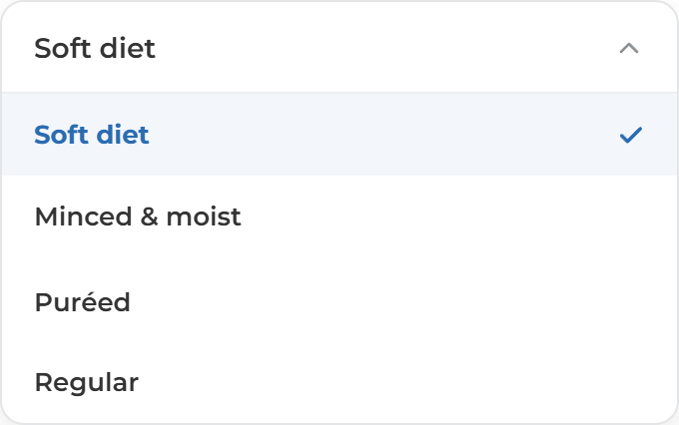
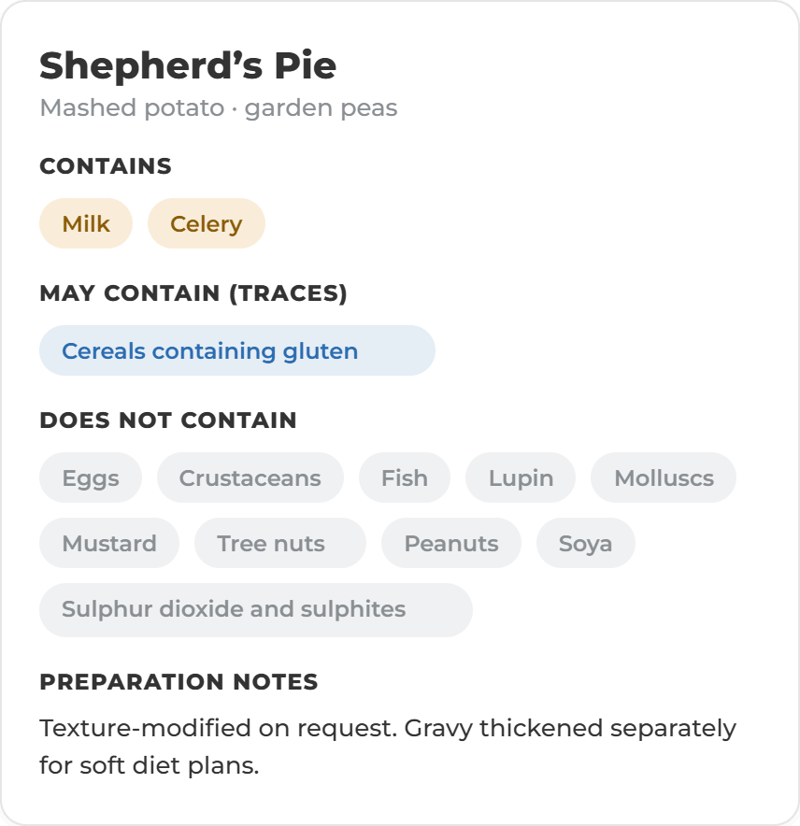
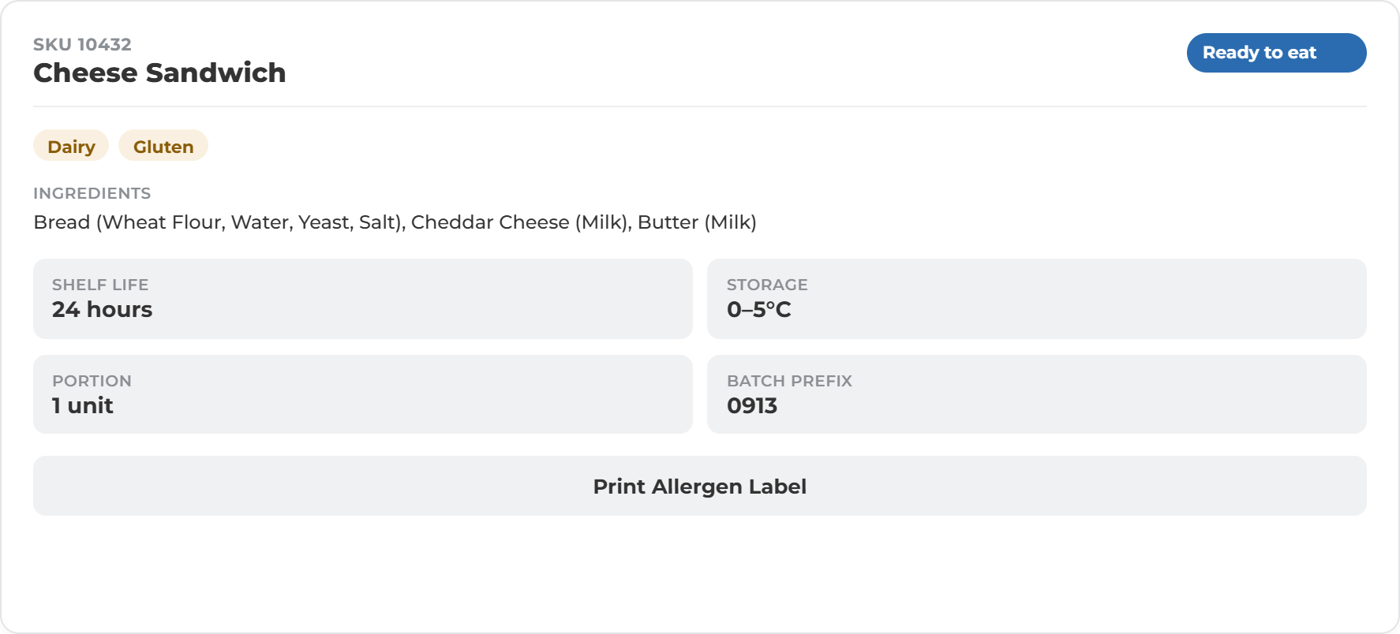
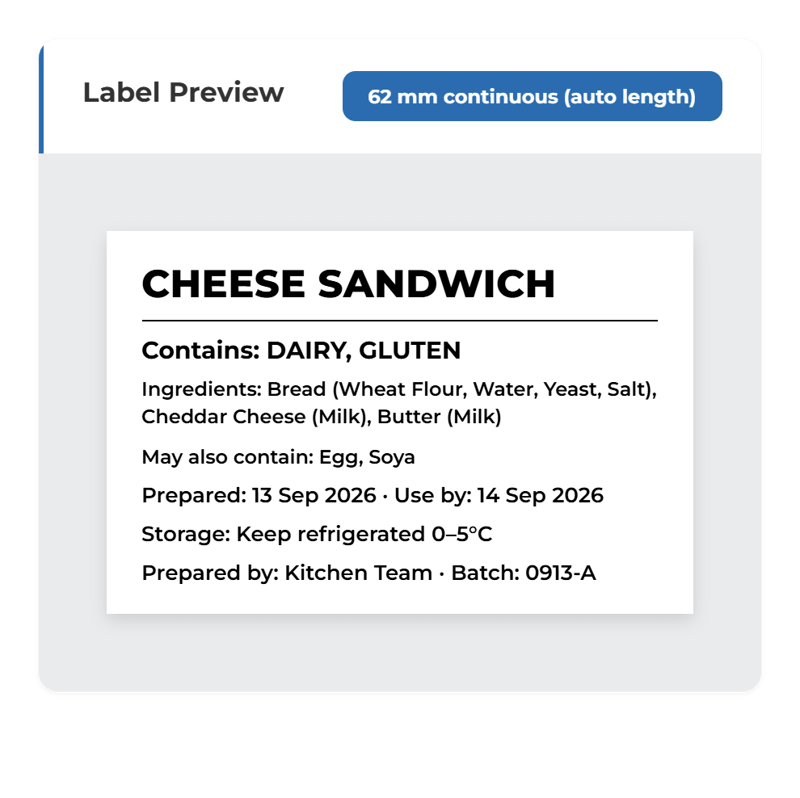
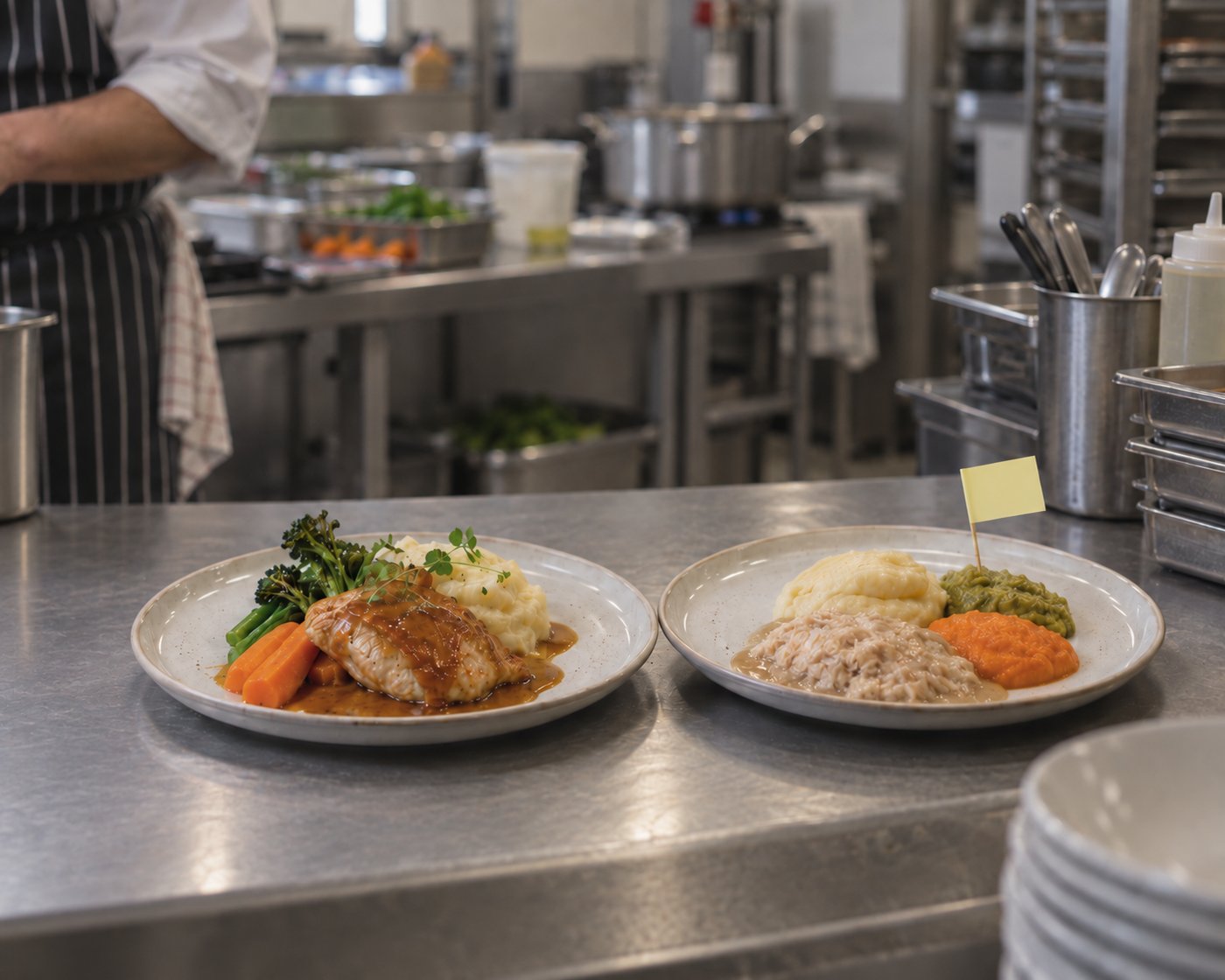
Ingredient and allergen data lives on the dish, so PPDS labels print the full ingredient list Natasha's Law asks for and IDDSI texture levels travel with the order to the kitchen.
.png?width=1121&name=ChatGPT%20Image%20Sep%2013,%202026,%2009_34_26%20PM%20(6).png)
.png?width=1000&name=Kitchen%20%20(2).png)
.png?width=1400&name=ChatGPT%20Image%20Sep%2011,%202026,%2001_26_45%20PM%20(3).png)
More ways to use ocapii
.png?width=1024&name=ChatGPT%20Image%20Sep%2011,%202026,%2001_26_45%20PM%20(2).png)
Resident Order Management
Choices taken at the table or the bedside on a phone or tablet, with dietary and allergen requirements selected as the orders are taken.
Find out more →
Inventory Management
Track stock levels, expiry dates, suppliers, movements, waste and low-stock alerts across sites, departments and locations.
Find out more →.png?width=1024&name=ChatGPT%20Image%20Sep%2011,%202026,%2001_26_46%20PM%20(5).png)
Food Safety
Every check, from goods-in to final plate, captured, timestamped and logged in real time.
Find out more →